Table of contents
Glass-skin promises are everywhere, yet dermatologists keep returning to fundamentals: circulation, inflammation control, and a resilient barrier. In that context, self-massage, once dismissed as a spa indulgence, is being reframed as a practical daily tool, because it can temporarily boost microcirculation, support puffiness reduction, and make skincare actives feel more effective. But what does the evidence actually say, how should it be done without irritating the skin, and when does it make sense to step beyond DIY techniques for hands-on care?
Self-massage: hype, habit, or helpful physiology?
It is not “just” a feel-good ritual. When you massage the face, you mechanically stimulate the skin and the tissues underneath, and that matters because skin appearance is closely tied to blood flow, fluid balance, and inflammation. Research on massage and soft-tissue manipulation shows measurable, short-term changes in local circulation and temperature, and while that does not automatically translate into permanent “glow,” it can explain why many people see a quick brightness bump after a few minutes of manual work. Increased perfusion brings oxygen and nutrients to the surface and may subtly improve tone, while gentle pressure can also reduce the look of morning puffiness by moving interstitial fluid away from congested areas, especially around the eyes and jawline.
The most defensible claims are the modest ones. A facial massage cannot change bone structure, and it will not erase deep wrinkles like a procedure might, but it can soften the appearance of tension lines by relaxing overworked facial muscles, and it can help distribute sebum more evenly, which is one reason some people report a smoother, more “alive” finish. There is also a behavioral effect: massage forces you to slow down, and if it makes you more consistent with cleansing, moisturizing, and sunscreen, that alone can improve radiance over weeks. The risk is overdoing it, because aggressive rubbing can disrupt the barrier, worsen redness, and flare acne or rosacea; in other words, the difference between a helpful habit and a counterproductive one is often pressure, duration, and skin condition on the day.
The glow is often lymph, not magic
Ever wake up looking puffy, then look sharper by lunch? That shift is frequently about fluid dynamics. The lymphatic system helps return excess fluid and proteins from tissues back into circulation, and although it has no central pump like the heart, it relies on muscle movement, breathing, and external compression to keep things moving. In the face, mild swelling can be more noticeable because the skin is thin and the structures are compact, so even small changes in fluid retention can change how defined the cheekbones look, or how heavy the under-eye area appears. That is why “de-puffing” techniques, when done gently, can create a visible difference even if they are not changing the skin’s long-term biology.
But precision matters, and the internet often oversimplifies it. True lymphatic-style strokes are light, slow, and directional, typically starting with “clearing” the neck area where lymph drains, then moving from the center of the face outward; heavy pressure may feel productive, yet it can collapse superficial lymph vessels and increase redness. Environmental factors also change the equation: heat, alcohol, salty meals, hormonal cycles, and long flights can all increase fluid retention, so the same massage may look “miraculous” one day and subtle the next. For people who want a more structured approach, professional treatments can be useful, particularly when swelling is persistent or when stress, posture, and jaw tension are part of the picture. In Bangkok, for example, some visitors and residents seek a lymphatic massage in bangkok to combine skilled manual drainage with a relaxing reset, especially after travel, late nights, or long hours in air-conditioned offices that can leave the face looking tired and dehydrated.
How to do it safely, without irritating skin
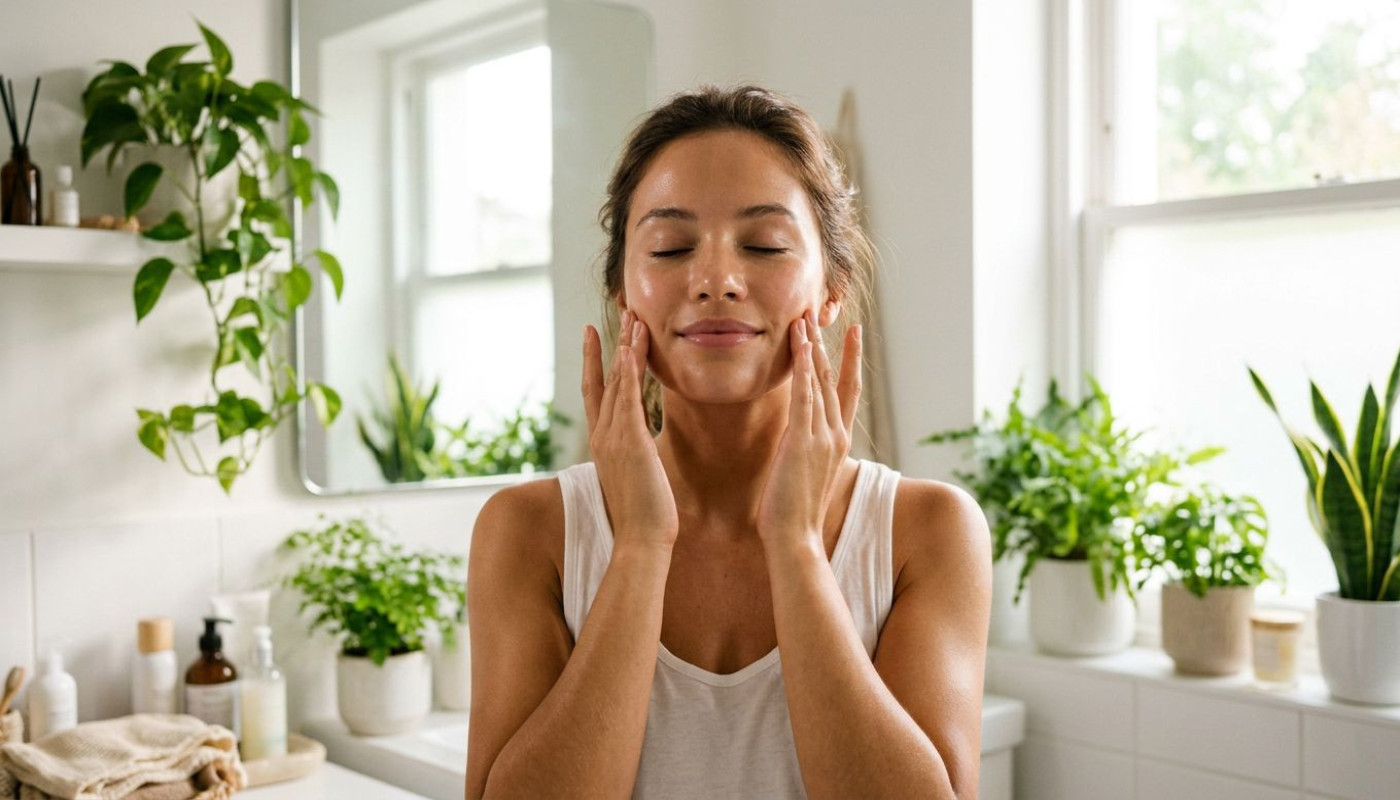
Want results without backlash? Think “glide, not grind.” The safest self-massage sessions are short, consistent, and done with enough slip to avoid tugging. A bland moisturizer, facial oil that suits your skin type, or a simple serum-plus-cream combination can work; what you want to avoid is dragging dry fingers across a sensitized barrier. Start with clean hands and a clean face, then use the pads of the fingers rather than nails or knuckles, and keep pressure light around the eyes. Two to five minutes is often enough; beyond that, redness may be less “circulation” and more irritation, which can backfire by making pores look larger and texture more obvious.
A practical sequence is straightforward. Begin at the neck, gently sweeping downward to the collarbones, because many drainage techniques emphasize opening the pathway first. Then move to the jawline with soft strokes from chin to ear, follow with cheeks from nose outward, and finish with the forehead from brows to hairline; if you like, add a few slow presses at the temples and along the brow bone, but avoid aggressive work on active breakouts. Tools can help, yet they are not required. A cool roller can temporarily constrict vessels and reduce the look of swelling, and a gua sha can be effective in trained hands, but both can cause bruising if used forcefully, and neither should be used over inflamed acne, eczema patches, or freshly treated skin after peels or lasers. If you are using prescription retinoids or experiencing stinging, scale back, and if your face flushes easily, prioritize gentleness over intensity, because the “glow” you want is even tone, not reactive redness.
When professionals outperform DIY routines
Self-massage shines as maintenance, yet there are clear moments when an expert touch is simply more efficient. Persistent puffiness, post-travel swelling, jaw tightness from clenching, and stress-related facial tension can respond well to structured manual techniques, especially when the practitioner understands lymphatic pathways, facial anatomy, and contraindications. A trained therapist can also work the neck, shoulders, and upper chest, areas that influence how the face drains and how posture affects tension patterns. For some people, the biggest payoff is not immediate brightness, but a reduction in the “heavy” feeling in the face and a more rested look that photographs better, particularly when hydration and sleep have been compromised.
It is also a question of safety and customization. If you have rosacea, frequent breakouts, a history of facial filler, recent dental work, or thyroid and lymph-node issues, technique and pressure matter, and a professional can adapt the session, or advise against it when needed. Pricing and time are part of the equation, too. In major cities, facial massage sessions can range widely depending on duration and setting, and packages may lower per-session cost for people who want regular care. The best approach is to treat professional massage as a complement to basics, not a replacement: sunscreen, gentle cleansing, and barrier-supporting moisturizers still do most of the heavy lifting for long-term glow. But when you need a visible reset before an event, or you are stuck in a cycle of puffiness and tension, professional hands can deliver more consistent results than a rushed two-minute routine at the bathroom mirror.
Plan it like skincare, not a splurge
Book sessions around travel, big meetings, or events, and keep your budget realistic by starting with one appointment, then reassessing. Ask about contraindications, and mention retinoids, recent procedures, or swelling concerns. If cost matters, look for shorter formats or off-peak slots, and check whether any local wellness programs or memberships reduce the rate.
Similar articles

