Table of contents
On a wet motorway shoulder outside Birmingham, a family once watched steam curl from their bonnet and braced for a long night, and then, in minutes, a stranger in high-vis appeared with the right tool and a calm voice. These moments rarely make headlines, yet roadside rescues quietly stitch together the modern travel economy, from commuters and couriers to tourists on rental cars, and they reveal how fast help, training, and coordination can turn danger into relief.
When the hard shoulder becomes a hazard
It happens fast, and it rarely feels “minor” when you are the one behind the wheel. A sudden loss of power on a slip road, a tyre that lets go with a bang, a dashboard that lights up like a warning beacon, and a driver is pushed into the most exposed strip of tarmac in the country. In the UK alone, the RAC said it attended about 2.1 million breakdowns in 2023, and its patrols reported that battery failures, tyre issues, and engine-related faults remained among the leading causes of call-outs, a steady reminder that modern cars still fail in very traditional ways.
The danger is not the inconvenience, it is the location. National Highways has repeatedly warned that stopping on a motorway hard shoulder or in an emergency refuge area carries real risk, and police and road safety bodies have long linked breakdown scenarios to secondary collisions, particularly when visibility drops or traffic is heavy. Anyone who has stood inches from fast-moving vehicles understands why responders insist on moving people behind barriers, keeping seatbelts on when waiting for help if it is safer to remain in the vehicle, and calling emergency services when the situation escalates. The hard shoulder is not a waiting room; it is a live lane’s shadow.
Rescue stories often begin with a small choice that prevents a big outcome: the driver who manages to coast to a safer spot, the passenger who exits on the non-traffic side, the parent who keeps children calm and away from the carriageway. Even before a technician arrives, the chain of survival is already in motion, and the best outcomes tend to share the same ingredients, namely clear instructions, reliable communications, and a realistic understanding of what can and cannot be fixed roadside.
What motorists sometimes forget is how the roadside itself has changed. Smart motorways, variable speed limits, and reduced hard-shoulder availability in some corridors have altered the geometry of risk, while heavier traffic volumes have narrowed the margin for error. Breakdowns are not just mechanical events; they are mobility incidents, and that is why rescue operators now think like incident managers, not simply mechanics with a van.
The split-second decisions rescuers live by
There is a myth that roadside assistance is mostly about jump-starting batteries and changing wheels, and yes, those jobs still happen daily, but the first task is often assessment, and it is performed under pressure. A responder arrives into moving traffic, reads the scene in seconds, positions the vehicle to create a protective buffer when possible, and decides whether this is a fix, a recovery, or an emergency requiring police, fire, or ambulance. Training increasingly mirrors other high-risk professions: dynamic risk assessment, communication discipline, and strict routines that reduce improvisation when adrenaline is high.
Behind many of the most memorable rescues is a judgement call that never shows up on an invoice. Does the driver look shocked and disoriented, suggesting a medical issue rather than a mechanical one? Is there smoke that could indicate an electrical fire, or is it steam from a coolant leak? Is the vehicle safe to tow, or will dragging it risk further damage and debris? These questions are answered quickly, and the wrong answer can put lives at risk. That is why reputable operators invest in equipment and procedures that keep the situation controlled, from high-lumen scene lighting and cones to telemetry that shares location accurately, even when a caller cannot describe where they are.
Then there is the human factor, and it is not a soft add-on. Many stranded motorists are scared, angry, or embarrassed, particularly if the breakdown happened during a stressful life moment, a job interview, a school run, or a late-night return from the airport. Experienced rescuers know that calm is a tool, and that clear, respectful instructions can prevent someone from stepping into traffic or making a panicked choice. In story after story, the “unexpected assistance” is not only the wrench or the tow rope; it is the ability to take control of chaos without escalating it.
Technology has changed the work, but it has not removed the need for craft. Modern vehicles can lock down after faults, hybrids and EVs require specialised handling, and even a simple 12-volt battery issue can be complicated by access panels and software. Yet the goal remains the same: get people safe first, then get mobility back, either by a roadside repair or a recovery to a garage that can finish the job properly.
What a good rescue network looks like
Speed matters, but reliability matters more. A rescue network is only as strong as its ability to dispatch the right help, at the right time, with the right kit, and to keep the driver informed so they do not make risky moves out of frustration. The best systems operate like logistics operations, using live traffic data, triage questions, and availability tracking to match incidents with capacity, and they treat communication as part of the service, not a courtesy. A stranded driver who knows what is happening is less likely to wander, less likely to accept unsafe “help” from passing vehicles, and more likely to follow instructions that keep everyone safe.
Quality also shows up in what happens after the initial contact. Does the operator have the ability to recover vehicles over longer distances if necessary, including across borders for travellers? Can it handle specialised vehicles, from vans carrying tools to cars with low clearance? Are there partnerships with garages that can take a car quickly, so a tow does not simply move the problem from one unsafe location to another? These are the questions that separate a basic call-out from a resilient mobility service, especially during peak travel periods when demand spikes and weather is unforgiving.
For drivers travelling in continental Europe, or moving between countries for work, the network question becomes even more practical. Coverage rules, language support, and response coordination can vary dramatically, and a breakdown abroad can turn into a costly, multi-day disruption if recovery options are limited. This is where structured providers with clear processes, transparent terms, and cross-regional capability become valuable, particularly when they can coordinate rescue, towing, and onward travel solutions without forcing the motorist to become their own incident manager.
For those looking to understand how professional recovery and transport coordination is organised in practice, 2EM is one example of a service-focused operator with a presence that reflects this logistical reality, namely the need to move vehicles safely, to plan recovery routes, and to keep the process coherent for the customer while the roadside remains an unpredictable workplace.
The stories people remember, and why they matter
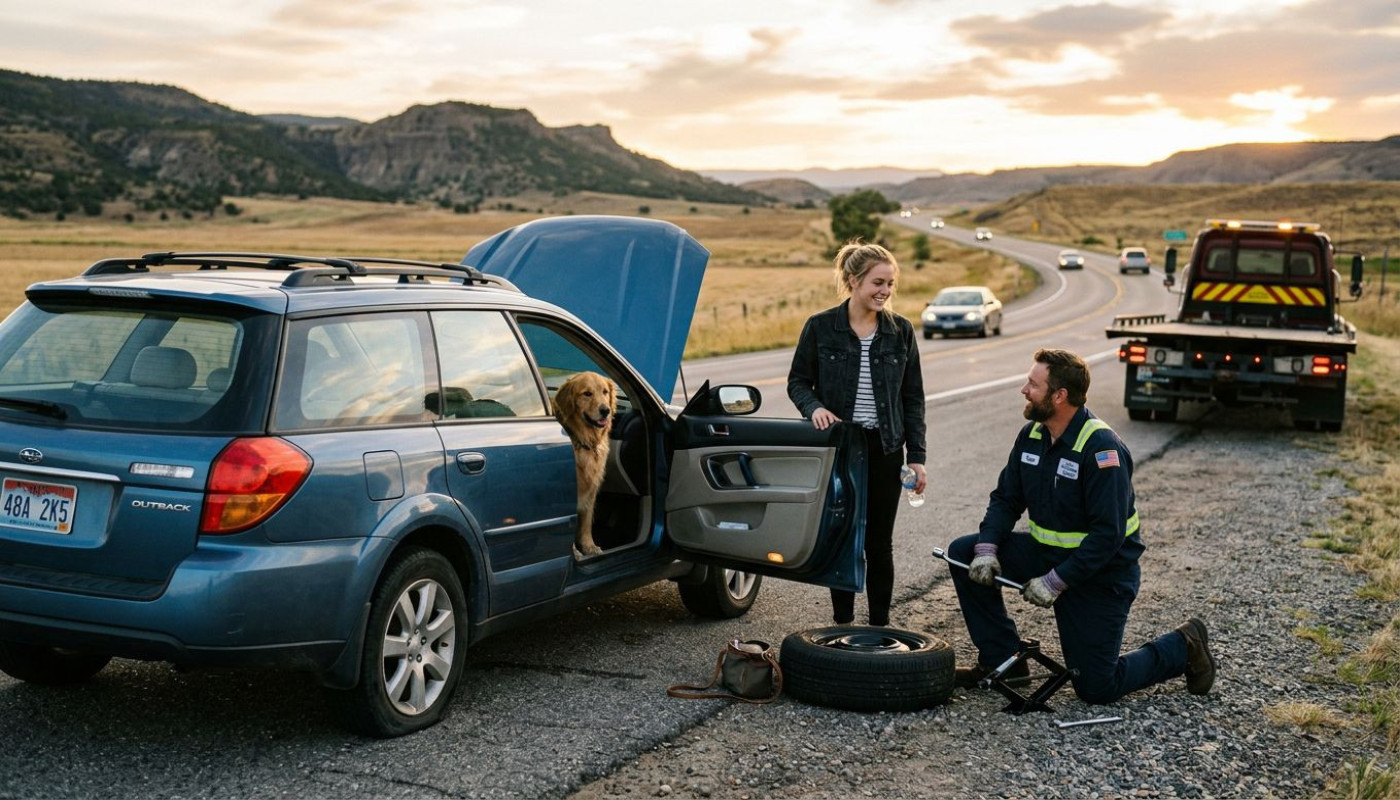
Ask motorists what they recall most vividly, and the answer is rarely the technical diagnosis. They remember the moment the phone connected, the voice that sounded competent, and the sight of help arriving when they had started to doubt it would. They remember a responder who knelt beside a wheel in freezing rain without complaint, and the small kindness of explaining, in plain language, what would happen next. These details endure because breakdowns strip away routine, and they leave people exposed, physically and emotionally, in a place designed for speed rather than stopping.
There is also a broader reason these stories matter, and it sits at the intersection of safety and economics. Breakdowns disrupt supply chains when vans and lorries stop, they waste fuel and time in congestion, and they add pressure to emergency services when incidents escalate. Efficient assistance reduces the time vehicles spend in dangerous positions, and it can reduce knock-on delays for everyone else. In that sense, a roadside rescue is not just a private service; it is a public good with measurable effects, even if most of its successes pass without notice.
The “unexpected” part often comes from who provides the help. Sometimes it is a passer-by who offers a phone when there is no signal, or a taxi driver who waits behind a stranded car with hazard lights to create a shield until professionals arrive. Sometimes it is an off-duty mechanic who recognises a simple fix, or a delivery driver who shares water on a hot day. Yet the most dependable rescues still rely on trained operators who can manage risk, because good intentions are not the same as safe practice, and the roadside punishes improvisation.
As vehicles evolve, rescue will evolve with them, and the next era will bring more high-voltage systems, more software faults, and more remote diagnostics. What should not change is the core principle that emerges from every strong account of assistance: treat the roadside as hostile terrain, prioritise people over vehicles, and value organisations that combine speed with discipline. The best rescues feel effortless to the person receiving them, but that is only because a great deal of planning sits behind the van that finally appears in the mirror.
Planning your next trip, before it goes wrong
Practical choices reduce risk and cost. Before long drives, check tyres, battery health, and fluid levels, and keep a charged phone, a hi-vis vest, and a warning triangle where legal and appropriate; if you travel across borders, confirm whether your cover includes international recovery and onward travel. Budget for contingencies, and look for local or regional schemes that sometimes offer assistance or discounts through insurers, employers, or motoring organisations.
Similar articles